
Light Layers That Make Small Rooms Feel Serene

Today we’re focusing on layered lighting plans for subtle, refined ambiance in small rooms, blending ambient, task, and accent sources with thoughtful dimming, color temperature harmony, and gentle shadow control. Expect space-expanding tricks, practical wattage guidance, and inviting moments that feel calm, composed, and beautifully livable—even where every inch matters most.

Begin With A Calm Ambient Foundation

A quiet, even base of light lifts the ceiling, softens corners, and prevents visual fatigue. In compact rooms, a low-glare ambient layer sets the mood without shouting. Aim for dimmable, diffuse illumination that respects sightlines, avoids harsh hot spots, and creates the sense of breathable air between furniture, walls, and the ceiling plane.

Task Light That Respects Scale And Comfort

Task lighting should sharpen clarity exactly where needed without overpowering the room. In small spaces, precise aiming, restrained brightness, and good shielding matter. Balance intensity with comfort, minimize glare from screens and glossy surfaces, and ensure every focused beam supports posture, accuracy, and a gentle, unhurried pace throughout daily routines.

Focused Work Nooks That Never Glare

Use articulated arms, tight beam angles, and high-CRI sources for desks or crafting corners. Position heads slightly forward of the working plane to reduce shadowing from your hands. Favor matte finishes on task heads and worktops. Keep lumens modest yet crisp, and give yourself dimming so focus can flex between emails and sketching.
Bedside Clarity Without Waking The Room

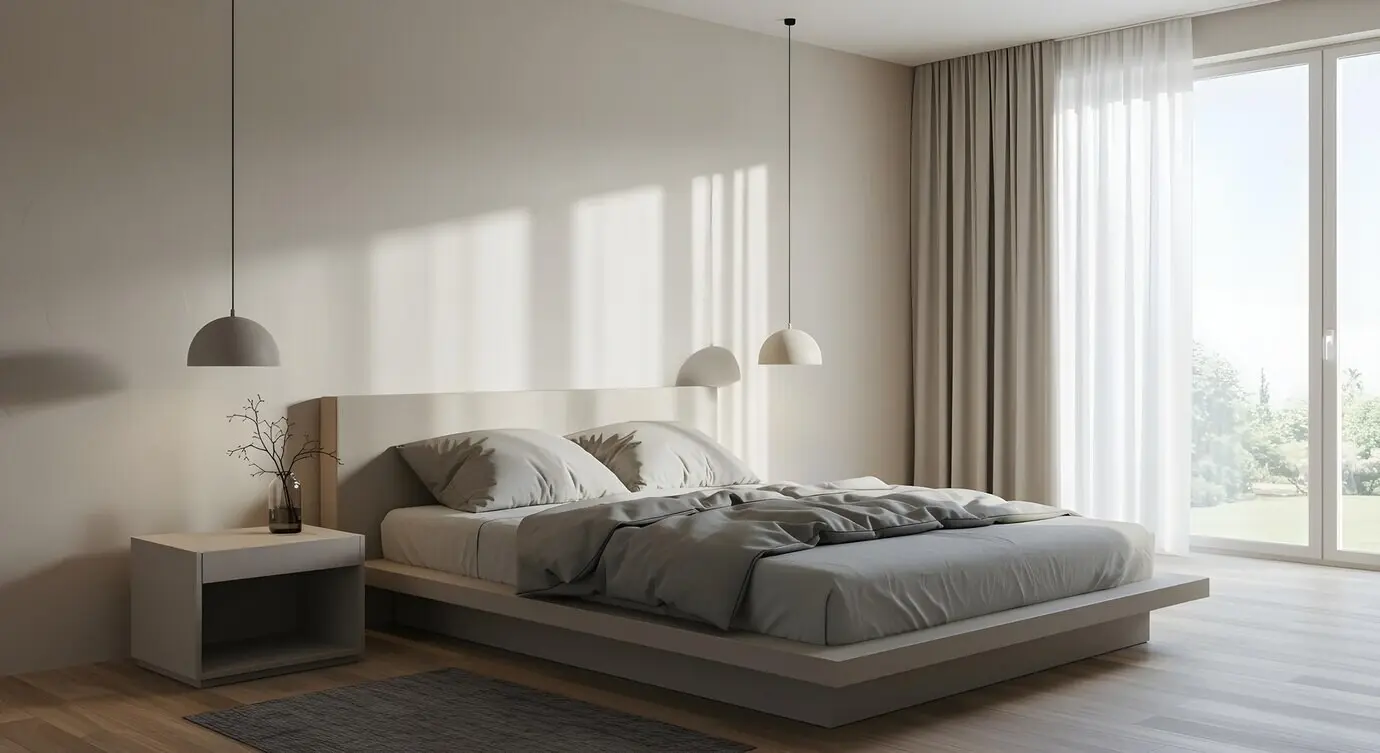
Opt for pin-point sconce beams or shaded swing-arm lamps placed just outside your sightline. Add localized switches or personal dimmers for separate control. Warm color temperatures soothe late-night reading, while good cutoffs prevent light from washing the ceiling. Your partner sleeps peacefully, and your pages glow with quiet precision.

Kitchens And Counters In Compact Homes

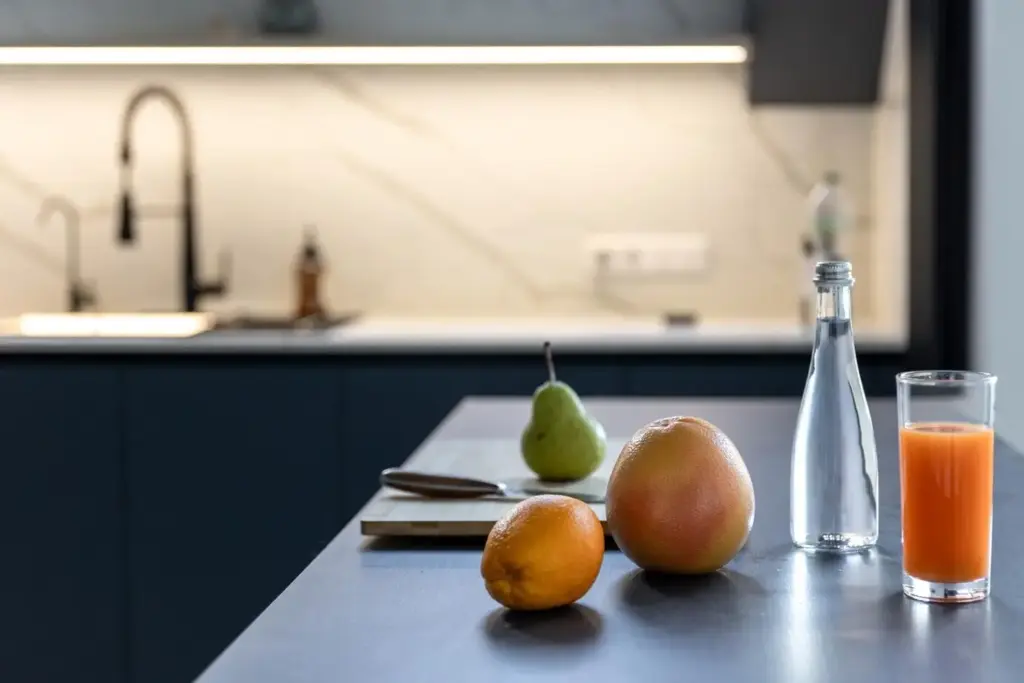
Under-cabinet linear strips with diffusers deliver bright, shadow-free prep zones without demanding big fixtures. Maintain consistent color temperature with the room’s ambient layer, and hide wiring to preserve a clean profile. If no cabinetry exists, use slim track or micro pendants in a tight cluster to concentrate clarity where knives meet cutting boards.

Accents That Paint Character, Not Clutter

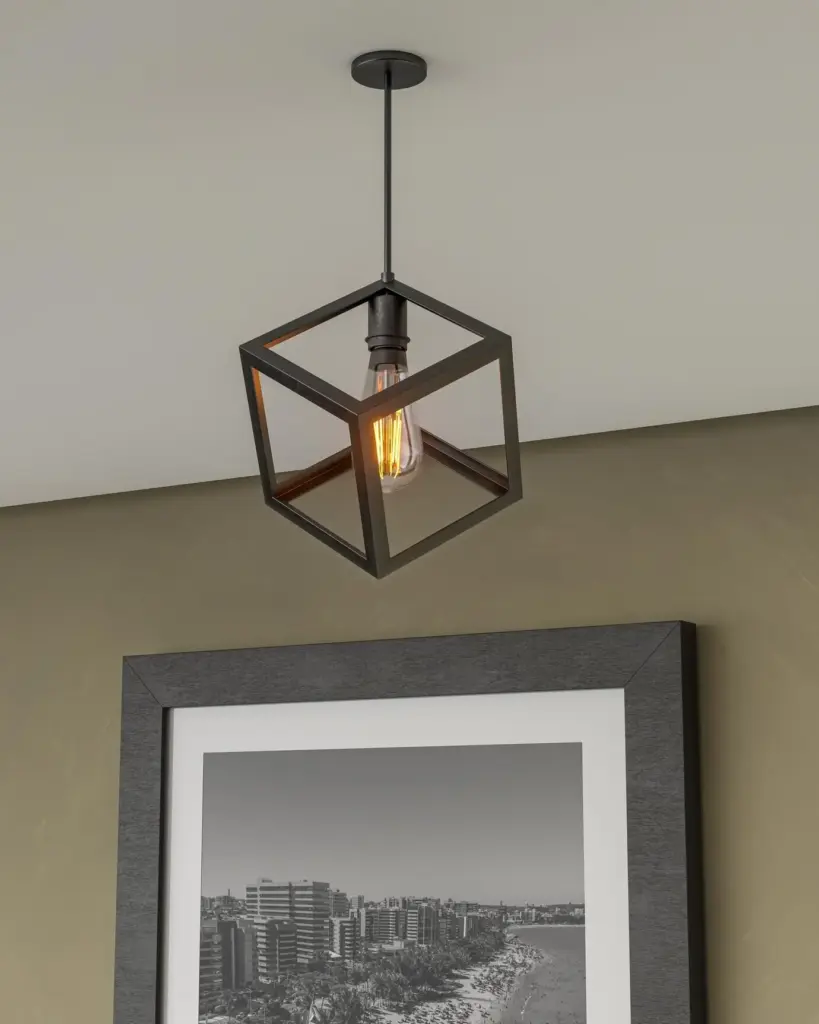
Accent lighting should feel like a whisper of personality, revealing textures and treasures without visual noise. In a small room, a single art highlight, a gentle shelf glow, or one sculptural table lamp can anchor mood, guide attention, and make the space feel curated, intimate, and memorably yours.

Art Highlights That Invite A Pause

Use narrow beams or picture lights with high CRI to honor color fidelity and brushwork. Angle carefully to avoid reflective glare and frame shadows. One cherished piece illuminated with restraint becomes a focal conversation point. Visitors lean in, noticing nuance, while the rest of the room relaxes into calm supporting roles.

Grazing To Celebrate Texture And Craft

Skim light along brick, linen wallcoverings, or fluted wood to dramatize depth without heavy ornamentation. A small linear fixture tucked near the surface can create rhythmic highlights and shadows. Keep brightness gentle, and combine with dimming to avoid harsh sparkle. The wall becomes artwork, and your square footage feels artfully expanded.

Table And Floor Lamps As Gentle Punctuation

Choose compact silhouettes with fabric shades or opal glass to spread warmth broadly without glare. One well-placed lamp can balance the room’s brightness composition. Try asymmetric placement to counter a dark corner or anchor a reading chair. Subtle layering comes alive when these accents dialogue with ambient and task sources.

Choosing A Reliable Warmth Palette

For restful small rooms, 2700–3000K often feels refined and timeless. Stay within a tight range for all layers, from ceiling to bedside sconces, to avoid jarring shifts. If you crave daylight clarity sometimes, designate a separate scene or zone so coolness can appear purposefully rather than intrude unexpectedly.

High CRI For True Color And Texture

Aim for CRI 90+ to help textiles, woods, and skin tones read naturally. Better rendering avoids muddy shadows and odd tints on cherished objects. In a compact environment, small differences become obvious fast. Quality light honors the room’s story, making even modest materials feel richer, more dimensional, and thoughtfully chosen.

Proportions, Placement, And Clever Hardware

Scaled fixtures, hidden drivers, and tidy cable management help a small room feel tailored. Choose compact profiles, mount at considered heights, and honor clearances around doors, art, and cabinetry. The result is lighting that looks designed in, not added on, supporting calm sightlines and a gratifying sense of order.

Low-Profile Choices That Still Feel Luxurious

Slim surface-mounts, petite pendants, and micro track heads deliver presence without bulk. Seek refined materials—linen, opal glass, patinated metal—that read upscale at small scales. Avoid oversized canopies or heavy chains. When in doubt, simplify forms and let light quality, not ornamentation, carry the luxury message discreetly yet convincingly.

Layered Heights To Animate The Volume

Mix ceiling, mid-level, and low light sources to build visual rhythm that expands perception. A ceiling wash, eye-level sconce, and table lamp can triangulate brightness, drawing attention across the room. This stratification suggests depth, reduces cluttered hotspots, and ushers the gaze along flowing paths rather than trapping it in one bright patch.

Concealment, Cord Discipline, And Maintenance

Use slim raceways, paintable cord covers, and thoughtful outlet placement to keep lines tidy. Favor fixtures with accessible service parts and reputable drivers to minimize headaches later. Label dimmer loads and scenes clearly. The hidden work pays off daily, allowing calm light to feel effortless and quietly, reliably beautiful.

Reflective Strategies, Materials, And Daylight Pairing

Mirrors That Multiply Without Harshness

Place mirrors opposite soft light, not bare bulbs or windows, to avoid hot reflections. Consider antiqued finishes or rounded edges for friendlier diffusion. Frame sizes proportionate to the wall prevent visual overload. One well-aimed sconce grazing a mirror can double perceived depth, turning a snug corner into a gracious little vista.

Paint Sheen And Fabric Choices That Cooperate

Use matte or eggshell on ceilings to control glare, with satin on walls for gentle bounce. Choose fabrics with subtle luster—washed linen, cotton sateen, or low-sheen velvets—that catch light softly. This balance creates layered reflections, reducing cavernous shadows while preserving a refined hush that never feels plasticky or overly glossy.

Daylight Coupled With Electric Layers

Sheer window treatments filter midday glare, while motorized shades can link to scenes for consistent tasks. As daylight fades, ambient circuits lift imperceptibly and accents warm. This handoff avoids dramatic jumps. In our favorite studio case, one narrow window and two dimmable layers made evenings feel spacious, welcoming, and unhurried.
Litopakatopetivixu
Privacy Overview

This website uses cookies so that we can provide you with the best user experience possible. Cookie information is stored in your browser and performs functions such as recognising you when you return to our website and helping our team to understand which sections of the website you find most interesting and useful.